
How to Prepare Your Tucson Home for Monsoon Season
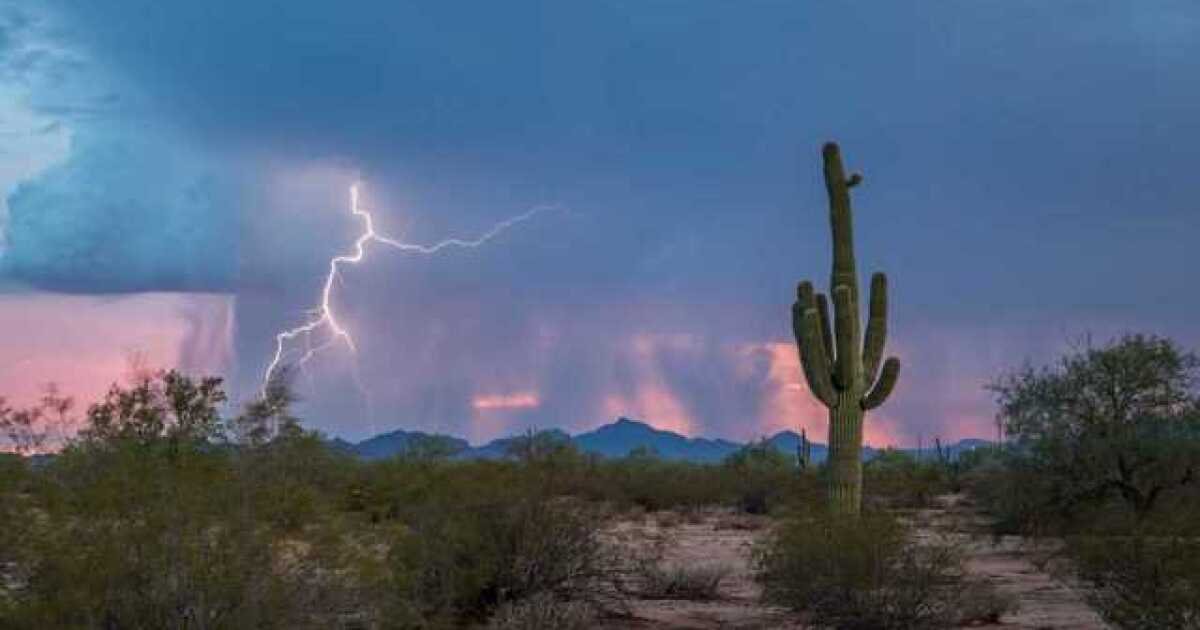
Every summer, Tucson transforms from a dry, sun-baked desert into the target of some of the most intense storm activity in North America. Tucson's monsoon season officially begins June 15 and runs through September 30 — but storms can arrive earlier and linger later. In a good monsoon year, Tucson receives more than half its annual rainfall in just three months, often delivered in violent bursts of 1–2 inches per hour.
For Tucson homeowners, this dramatic seasonal shift creates a specific and predictable set of risks. After 18 years and 1,050+ jobs across the Tucson metro, our team at Best Handyman Tucson has seen every form of monsoon damage — from foundation flooding to catastrophic ceiling water damage to entire fence lines blown flat by haboob winds. Almost all of it is preventable with the right preparation.
This guide walks through the complete monsoon preparation checklist we use when doing pre-monsoon inspections for Tucson homeowners. Work through these items every May, and you'll significantly reduce the chance that monsoon season costs you anything beyond a good rainstorm to watch from your patio.
1. Clean Your Gutters — This Is Non-Negotiable
Spring in Tucson means palo verde and mesquite trees drop their seeds, petals, and seedpods in enormous quantities. By May, most Tucson gutters are partially or fully clogged with this debris — even on homes with no trees directly overhead, since wind carries it everywhere.
Clogged gutters in a monsoon storm are a serious problem. When Tucson receives 1–2 inches of rain in 30 minutes (which happens multiple times each monsoon season), gutters filled with debris overflow immediately. That overflow falls directly against your stucco walls and foundation. Over time — and sometimes in a single season — this causes stucco delamination, foundation moisture problems, and interior water intrusion.
What to do:
- Clean all gutters manually — removing debris by hand or scoop
- Flush all downspouts from the top with a hose to confirm clear flow
- Check that downspout extensions direct water at least 3 feet from your foundation
- Inspect for sagging gutter sections that have lost proper slope (minimum 1/16 inch per foot)
- Check all gutter hangers and end caps for secure attachment
If you're comfortable on a ladder, gutter cleaning is a DIY-friendly task. If not, or if your home is two stories, hire a professional. At Best Handyman Tucson, gutter cleaning typically runs 1–2 hours for a single-story home at our flat hourly rate.
2. Inspect and Replace Failed Exterior Caulk
Failed exterior caulk is the single most common entry point for monsoon water in Tucson homes. The issue is that Tucson's caulk degrades fast. Our UV intensity is extreme, our daily temperature swings (often 40–50°F between night and day) stress every material constantly, and most exterior caulk is rated for conditions far milder than ours.
During a monsoon storm, rain often arrives horizontally — driven by 40–60 mph winds. A gap of 1/8 inch in the caulk around a window frame can admit a significant amount of water in a 30-minute storm. That water soaks into the framing behind your stucco, where it can't dry out quickly in our low-humidity climate, creating ideal conditions for wood rot and mold.
Where to check:
- All window perimeters — especially the top and sides where wind-driven rain hits hardest
- All exterior door frames — especially the threshold transition and header
- Where utility pipes, conduits, or hose bibs penetrate exterior walls
- At roof penetrations — vents, skylights, and chimney flashings
- Where stucco meets different materials — trim boards, window flanges, foundation sill
To test caulk, press on it firmly with your thumb. Good caulk is flexible and resilient. Bad caulk is brittle, crumbling, pulling away from the surface, or has visible gaps. Don't apply new caulk over failed old caulk — remove all the old material first or it will fail again quickly. Use elastomeric caulk rated for exterior high-UV applications for best results in Tucson's climate.
🛠 Need a professional pre-monsoon inspection? We check all the items on this list — and repair what we find.
📞 Call (520) 213-69073. Walk Your Stucco and Address All Cracks
Stucco is the dominant exterior finish on Tucson homes for good reason — it handles the desert climate better than wood or vinyl siding. But even the best stucco develops cracks over time, and Tucson accelerates this process through constant thermal cycling.
Hairline cracks (less than 1/16 inch) are generally cosmetic and caused by thermal movement. They should be monitored and sealed before monsoon season, but they're not structural. Wider cracks — especially diagonal cracks running from corners of windows and doors, or cracks with staining or soft spots near them — indicate more significant movement or moisture infiltration and deserve professional attention.
Stucco inspection approach:
- Walk the full perimeter of your home at a slow pace, checking all wall surfaces
- Pay special attention to corners, around all window and door openings, and at the roofline
- Press on any suspicious area — soft or hollow-sounding stucco means moisture is already behind it
- Look for staining or efflorescence (white mineral deposits) that indicate water movement through cracks
- Check the area above windows and doors where headers meet the stucco field — this is a common failure point
Hairline cracks can be sealed with elastomeric caulk or a purpose-formulated stucco crack filler, then painted with elastomeric exterior paint. Larger repairs — anything with soft substrate, missing material, or significant water staining — are best handled by a professional to ensure proper multi-coat repair and lasting results. Improperly repaired stucco often fails faster than the original crack.
4. Check Your Drainage Grade Around the Foundation
Tucson's soil is predominantly clay-based caliche. This soil is essentially impermeable when dry and slow-draining when wet. During an intense monsoon storm, surface water flows as sheets across the landscape and collects wherever the grade allows it to pool.
If your yard slopes toward your foundation rather than away from it, you're directing every heavy monsoon rain straight toward your home's base. Over time, this saturates the soil against your foundation, causes concrete cracking, and can eventually force water into your crawl space or floor-level living areas.
What proper drainage looks like:
- The grade within 6 feet of the foundation should slope away at 1 inch per foot minimum
- Downspout outlets should extend at least 3 feet from the foundation with splash blocks
- Any low spots against the foundation (common after landscaping or irrigation work) need to be filled
- Window wells should have gravel at the bottom and be clear of debris before monsoon season
- Check that any patio or hardscape has positive drainage away from the house
5. Inspect Fences, Gates, and Patio Covers
The monsoon winds that precede and accompany storms in Tucson are among the most destructive elements of the season. Haboobs (massive dust storms) can generate sustained winds of 40–60 mph with gusts above 70 mph. This is enough to bring down any fence section with a compromised post, and to tear off patio covers that have loose fasteners.
Every spring, before the first storm, walk your fence line and push firmly on every post. A post that moves even slightly has already lost its footing and will not survive a major storm. Check gate hardware, hinges, and latches as well — a gate that blows open creates a lever arm that can damage the entire gate section.
Fence and cover checklist:
- Push each fence post firmly — any movement means it needs to be reset in concrete
- Check all fence boards for rot, especially at the bottom where boards are closest to soil
- Confirm all patio cover beams and posts are securely fastened — tighten any loose lag bolts
- Check pergola rafter connections — wind uplift can separate rafters from beams
- Ensure all gate hardware is functional and the gate latches securely
6. Test All Exterior Lighting and Replace Bulbs
This one is often overlooked but important for safety during the evening storms that are so common during Tucson monsoon season. Check that all exterior lights are working — entry lights, garage lights, path lights, and security lights. Storms often arrive after dark in July and August, and you want full visibility when the storm hits.
LED bulbs are strongly recommended for all Tucson exterior fixtures. The extreme heat in Tucson — fixtures in direct sun can reach 180°F+ — dramatically shortens the life of incandescent and CFL bulbs. LED runs cooler and lasts far longer under these conditions.
7. Schedule a Professional Pre-Monsoon Inspection
The items above are what a careful homeowner can check on their own. But some issues aren't visible without experience — things like failed flashing at roof transitions, plumbing vent seals that have deteriorated, or stucco that looks fine on the surface but is already delaminating from moisture trapped behind it.
A professional pre-monsoon inspection by Best Handyman Tucson typically runs 2–4 hours at our flat hourly rate. We follow a 25-point exterior checklist and handle minor repairs — caulking windows, clearing downspouts, filling hairline cracks — in the same visit. We then give you a prioritized report of anything we found that needs follow-up work, with honest recommendations rather than a sales pitch.
Clients who do this inspection consistently every May pay far less over time than those who skip it and deal with monsoon damage reactively. Water damage repairs in Tucson homes can easily run into the thousands — a pre-monsoon inspection at our flat hourly rate is genuine insurance.
Quick Reference: Pre-Monsoon Checklist
- Clean all gutters and flush all downspouts
- Inspect and replace all failed exterior caulk (windows, doors, penetrations)
- Walk all stucco surfaces and seal all cracks
- Check drainage grade — ensure slope away from foundation
- Push-test all fence posts; repair loose or moving posts
- Inspect patio covers and pergolas for loose fasteners
- Test all exterior lights; replace burned-out bulbs
- Check weather stripping on all exterior doors
- Ensure roof vents are clear and sealed
- Schedule professional inspection for anything you can't safely reach or assess
Monsoon season in Tucson is not optional — it will arrive in June and it will test your home's defenses. The homeowners who prepare consistently spend their monsoon evenings watching spectacular lightning shows from their patios. The ones who don't spend them cleaning up water damage and filing insurance claims. The preparation is worth every hour invested.
If you'd like help with your pre-monsoon inspection or any of the repairs on this checklist, call Best Handyman Tucson at (520) 213-6907. We serve all Tucson areas including the Foothills, Marana, Oro Valley, Midtown, Eastside, and SaddleBrooke Ranch.
Frequently Asked Questions
Tucson's official monsoon season runs June 15 through September 30. However, significant storms can arrive as early as late May or persist into October. The most intense storm activity typically occurs in July and August.
The five most important pre-monsoon tasks are: (1) clean all gutters and downspouts, (2) inspect and replace failed exterior caulk around windows and doors, (3) check and repair stucco cracks, (4) verify drainage slopes away from your foundation, and (5) secure or repair any loose fence sections or patio covers.
Best Handyman Tucson charges our flat hourly rate for all pre-monsoon preparation work. A comprehensive pre-monsoon inspection and minor repairs typically run 3–6 hours. This is far less expensive than repairing water damage after a monsoon event.
The most common monsoon damage in Tucson homes includes: water intrusion through failed window and door caulk, stucco damage from moisture penetration, foundation issues from poor drainage, gutter overflow against stucco, blown-down fence sections and patio covers, and ceiling water stains from roof penetrations.
Many homeowners handle basic tasks like gutter cleaning and window caulk themselves. However, professional inspection catches issues that aren't obvious — like stucco cracks hidden by paint, failed flashing, or drainage problems. At our flat hourly rate, a professional pre-monsoon inspection is good insurance against expensive water damage repairs.
Ready for a Free Estimate?
Call us or fill out the form below. We serve all Tucson areas — Foothills, Marana, Oro Valley, Midtown, Eastside, and beyond.
Request a Free Estimate
Thanks! We'll be in touch within 1 business day.