
Stucco Repair in Tucson: How to Fix Cracks Before They Become Problems
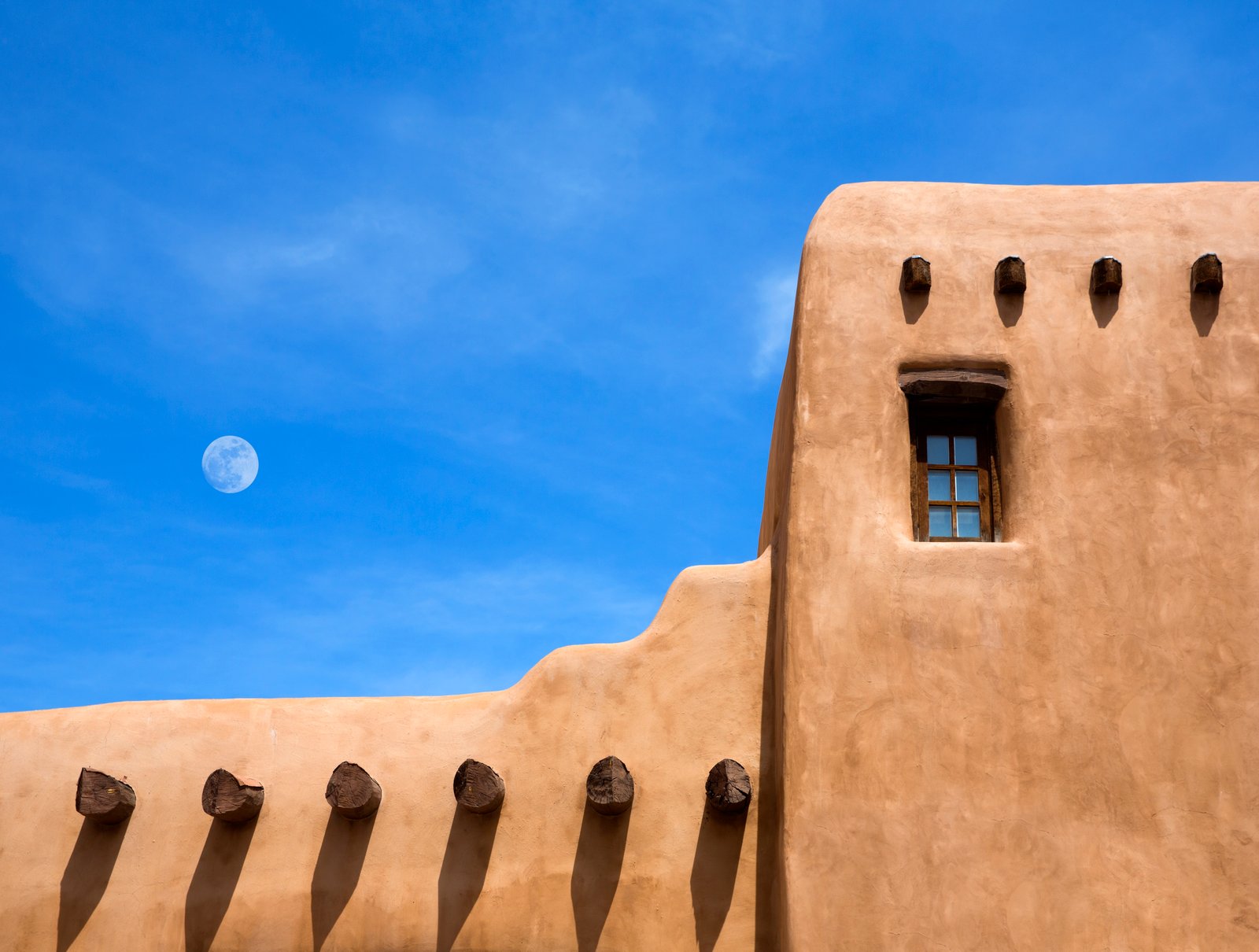
If you live in Tucson long enough, you'll see stucco cracks appear on virtually every home in the neighborhood. This is not a sign of poor construction — it is the predictable result of a desert environment that puts extreme stress on exterior surfaces. The critical question isn't whether stucco will crack, but how to tell which cracks are cosmetic problems and which are warning signs, and how to address them before monsoon season turns a $150 repair into a $5,000 water damage claim.
This guide covers why Tucson stucco cracks the way it does, how to classify the cracks you're looking at, the repair process for each type, and the timing that matters most in Tucson's climate.
Why Tucson Stucco Cracks: The Desert Factors
Thermal Expansion and Contraction
Tucson's daily temperature swings are dramatic — a 30 to 40-degree difference between morning lows and afternoon highs is not unusual, even in moderate months. Stucco expands when it heats and contracts when it cools. Over thousands of these cycles, the material fatigues. The cracks that result from thermal cycling alone are usually hairline and run in patterns related to the geometry of the wall panels rather than structural loads.
Caliche Soil Movement
Caliche is a naturally occurring calcium carbonate hardpan layer found throughout Tucson's soil. It's nearly incompressible in its dry state but reacts to saturation during monsoon season. Water that ponds around foundations cannot drain through caliche and instead creates pressure and minor soil movement. Over years, this movement translates into stress cracks in the stucco — particularly at corners, at foundation-to-wall transitions, and at window and door openings where the wall panel changes.
UV Degradation of Elastomeric Coatings
Most Tucson stucco is finished with an elastomeric paint or coating — a flexible material that bridges hairline cracks and provides a waterproof layer. Tucson's UV index is among the highest in the continental United States. Elastomeric coatings that would last 8–10 years in a temperate climate may need reapplication every 5–7 years here. When the elastomeric coating breaks down, hairline cracks that were previously bridged become open pathways for water during monsoon rains.
Types of Stucco Cracks: A Homeowner's Guide
Very fine cracks that follow no particular pattern, often visible only when the stucco is dry. These result from normal thermal cycling and elastomeric coating degradation. They do not penetrate the full stucco coat. Repair is straightforward with elastomeric caulk or a fresh coat of elastomeric paint. Priority: Seal before monsoon season, but not an emergency.
Wider cracks that may show discoloration or slight depth. These often occur at corners, above and below windows, or where different materials meet (stucco-to-trim, stucco-to-soffit). They can allow water infiltration during monsoon rains if not addressed. Repair involves cleaning the crack, applying elastomeric caulk or stucco patching compound, and finishing with paint. Priority: Address before monsoon season — water infiltration through moderate cracks can damage the wall framing and interior drywall.
Wide cracks that run in diagonal or stair-step patterns, cracks that reopen after being filled, cracks associated with visible movement at the foundation level, or cracks concentrated at a corner of the building. These may indicate foundation movement, framing issues, or significant soil movement rather than simple surface fatigue. A professional assessment is warranted before patching — sealing a structural crack cosmetically without addressing the underlying cause will result in it reopening within months.
How to Inspect Your Stucco: Post-Monsoon Walkthrough
October is the ideal time to inspect your stucco — the monsoon has just ended, revealing any cracks that opened under the stress of rain saturation and soil movement. Here's how to conduct a thorough inspection:
- Walk the full perimeter of the home, ideally in morning light when shadows reveal surface texture best
- Look specifically at all four corners of the home — diagonal corner cracks are common stress points
- Inspect above and below every window and door opening — these are natural crack initiation points
- Check where stucco meets any different material — trim boards, soffits, roof flashings, utility penetrations
- Look for efflorescence (white mineral staining) — this indicates water has been infiltrating and evaporating through the stucco
- Look for bubbling or blistering paint — this indicates moisture trapped behind the paint surface
- Probe any crack wider than 1/8 inch with a stiff wire — if it goes in more than 1/2 inch, the stucco coat is compromised
The Repair Process: Hairline to Moderate Cracks
Step 1: Clean and Prepare the Crack
Use a stiff wire brush or can of compressed air to remove loose material, dust, and any failed old caulk from inside the crack. The repair material needs clean substrate to adhere properly. If the crack has efflorescence, scrub it with a diluted masonry cleaner before sealing — mineral deposits prevent adhesion.
Step 2: Apply Elastomeric Caulk or Stucco Patching Compound
For hairline to 1/8-inch cracks, use an elastomeric sealant rated for stucco and masonry. These remain flexible and bridge the crack as it continues to move thermally — rigid caulk will crack again. Apply in a smooth bead and tool flush with the surface. For wider cracks (1/8–3/8 inch), use a stucco patching compound, apply in layers, and allow each layer to set before adding the next.
Step 3: Texture Match
Once the patch has cured fully — typically 24–48 hours depending on temperature and humidity — apply texture to match the surrounding stucco. Tucson homes have a variety of finishes: fine sand, medium sand, coarse dash, and smooth-finish are all common. Matching texture on aged stucco is the most skill-intensive part of the repair. A professional handyman who regularly works with Tucson stucco will be able to achieve a closer match than most DIYers.
Step 4: Paint with Elastomeric Exterior Paint
Apply a coat of elastomeric exterior paint over the repaired area, feathering out several inches beyond the patch to blend with the existing surface. Ideally, if any significant portion of a wall face is being repaired, painting the entire wall face produces a seamless result. In Tucson, use 100% acrylic elastomeric paint rated for masonry — standard exterior latex does not have sufficient flexibility to bridge thermal movement.
Monsoon Timing: The Critical Window
This point deserves emphasis for every Tucson homeowner: repair stucco cracks before monsoon season begins in early July. Do not wait until after. Here's why the timing matters so much:
Tucson monsoon storms are not gentle — they deliver intense rainfall at high intensity for short periods. A 2-inch rainstorm in two hours drives water into any unsealed crack under hydrostatic pressure. Water that infiltrates a stucco crack reaches the building wrap (if present), the sheathing, and potentially the framing. In a standard Tucson home, that water can reach interior drywall and cause mold growth within 48–72 hours of a single significant infiltration event.
The cost comparison: sealing stucco cracks in June costs approximately $170–$425 at our flat hourly rate depending on scope. The mold remediation, drywall replacement, and repainting that follows unaddressed water infiltration through a monsoon typically runs $3,000–$8,000 or more. This is not a dramatic comparison — it is a routine outcome we see in Tucson homes where stucco maintenance was deferred.
When Stucco Cracks Indicate a Serious Problem
- Cracks wider than 3/8 inch — especially at corners or near the foundation — suggest movement beyond normal thermal cycling
- Diagonal cracks running from window or door corners at 45-degree angles may indicate settlement
- Cracks that reopen within one monsoon season after repair indicate ongoing movement
- Multiple cracks running in parallel patterns across the same wall face suggest the stucco system has failed and full resurfacing may be needed
- Interior drywall cracking at the same location as exterior stucco cracks confirms the movement is structural
- Soft or hollow-sounding stucco around a crack (tap the surface with your knuckle) indicates delamination from the substrate
Paint vs. Caulk for Hairline Cracks: Many Tucson homeowners are told to simply repaint over hairline stucco cracks with elastomeric paint. This works well for very fine hairline cracks (under 1/32 inch) that the paint film can bridge. For anything wider, paint alone will not fill the crack and will show the line within one season. Use caulk or patching compound first, then paint over it.
Cost to Repair Stucco Cracks in Tucson
At our flat hourly rate, stucco crack repair pricing depends on the number of cracks, their severity, and whether texture matching and painting are included. A typical repair session addressing hairline and moderate cracks across the front or rear wall face of a standard Tucson home takes 2–3 hours ($170–$255 plus materials). Larger repairs involving patching a failed section, full texture application, and painting a complete wall face may run 4–6 hours ($340–$510 plus materials).
For homeowners doing their own repairs: elastomeric caulk runs $8–$15 per tube (one tube covers approximately 20–30 feet of hairline crack), and elastomeric exterior paint runs $40–$60 per gallon. The DIY material cost is modest, but proper texture matching — especially on homes with coarse dash or lace finishes common in Tucson — is genuinely difficult to achieve without practice. Mismatched texture patches are often more visually disruptive than the crack itself.
Ready for a Free Estimate?
Call us or fill out the form below. We serve all Tucson areas — Foothills, Marana, Oro Valley, Midtown, Eastside, and beyond.
Request a Free Estimate
Thanks! We'll be in touch within 1 business day.