
Ceiling Fan Installation Cost in Tucson: What to Expect in 2025
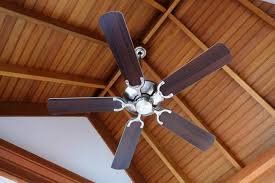
Tucson summers are no joke. When the thermometer climbs past 105°F, ceiling fans go from a nice-to-have to an essential part of surviving the heat without running your AC at full blast around the clock. Whether you're replacing an old wobbling fan, adding a fan where there's only a light fixture, or installing one in a room that's never had one, knowing what the job actually costs helps you plan and avoid surprises.
This guide breaks down real ceiling fan installation costs for Tucson homeowners in 2025 — including labor, the different types of installations, and what factors push the price up or down.
Why Ceiling Fans Matter More in Tucson Than Most Cities
The physics of ceiling fans are simple: they push air down in the summer, creating a wind-chill effect that makes a room feel 4–8 degrees cooler without actually changing the temperature. In Tucson, that difference can mean setting your thermostat 4–8 degrees higher while staying just as comfortable — a meaningful reduction in electricity costs during a season when you might have the AC running for five or six months straight.
Tucson also has a significant shoulder season. Spring and fall months where it's warm but not brutal are handled entirely by a ceiling fan without touching the AC. Many Tucson homeowners also reverse their fans in winter to push warm air rising to the ceiling back down into the living space, stretching the utility of a single fixture across all four seasons.
The Three Types of Ceiling Fan Installation
Type 1: Fan Swap (Existing Fan or Fan-Rated Fixture)
This is the most straightforward scenario. There's already a ceiling fan in place (or a light fixture mounted on a fan-rated ceiling box), and you're simply swapping in a new unit. The wiring, ceiling box, and switch are already there. The job is purely mechanical: assembly and connection.
Typical time: 45 minutes to 1.5 hours at our flat hourly rate
Labor estimate: $65–$130
What's included: Removing the old fan, assembling the new fan, connecting wires, balancing and testing
Type 2: New Location With Existing Wiring Nearby
You want a fan in a room that has a light fixture but not a fan-rated ceiling box. The wiring is already in the ceiling, but the existing box isn't rated to support the weight and movement of a spinning fan. This requires installing a brace kit inside the ceiling cavity, mounting a fan-rated box, then hanging the new fan.
Typical time: 1.5 to 2.5 hours
Labor estimate: $130–$215
Materials needed: Fan-rated ceiling brace kit ($15–$25), fan-rated electrical box
Type 3: New Location With New Wiring Required
Installing a fan where there is no existing electrical box or nearby wiring is the most involved scenario. Running a new switch leg from an existing circuit is often manageable without a licensed electrician in many situations, but always verify current Pima County permit requirements. If a new circuit breaker or panel work is needed, a licensed electrician is required by code regardless of county.
Typical time: 2 to 4+ hours depending on attic access and wiring distance
Labor estimate: $170–$340+
Note: New circuit or panel work requires a licensed electrician
What Affects the Final Price
- Ceiling height — vaulted or 10-foot-plus ceilings require a downrod and extra setup time for safe ladder or scaffolding positioning
- Attic access — homes where new wiring requires attic work add significant time; Tucson attic temperatures in June and July routinely exceed 140–160°F
- Fan weight and complexity — large dual-motor fans or heavy light kits take longer to safely assemble and hang
- Old wiring — homes built before 1980 may have aluminum wiring or ungrounded circuits that require extra care and compatibility checks
- Fan with remote versus wall switch — adding a remote receiver module inside the canopy takes additional setup time
- Number of fans — installing three or four fans in one visit is more efficient per unit than single installations spread across multiple trips
Signs of a Quality Ceiling Fan Installation
Not all installations are equal. A fan that wobbles, hums, or shakes when running at high speed wasn't properly installed — and that's not just annoying, it's a sign the mounting may not be fully secure. Here's what a proper installation looks like:
- Ceiling box is fan-rated — standard light fixture boxes are not rated for the dynamic load of a spinning fan
- Mounting bracket screws are fully tightened and the canopy sits flush against the ceiling
- Blades are balanced — a good installer uses a blade balancing kit to eliminate wobble at all speeds
- All wire nuts are secure with no exposed copper at the connections
- Fan runs smoothly at all three speeds with no audible bearing noise or vibration
- Light kit is tested and all bulbs seat correctly in their sockets
DIY Risks Tucson Homeowners Should Know
The main risks of DIY ceiling fan installation come in two categories: electrical and physical. On the electrical side, improper wire connections can cause shorts, tripped breakers, or fire hazards inside the ceiling cavity where they're hard to detect until something goes wrong. On the physical side, a fan mounted to a standard light box (rather than a fan-rated box) can eventually loosen and fall — a serious hazard for anyone in the room.
There's also the Tucson-specific heat factor. Working in a home's attic to run new wiring during summer months is genuinely dangerous without proper precautions. Attic temperatures in June and July in Tucson regularly exceed 140–160°F. Professionals who do this work regularly know how to manage heat exposure; a homeowner attempting it for the first time faces real heat-illness risk.
A basic fan swap on an existing rated box is one of the more approachable DIY electrical projects. Anything involving new wiring, new boxes, or attic work is better handed off to someone with experience doing it regularly in these conditions.
Getting Multiple Fans Done at Once
If you have more than one fan to install, having them all done in a single visit is almost always more cost-effective than scheduling separate appointments. The first fan takes the most time because of travel, setup, and cleanup. Subsequent fans on the same day go faster because tools are already out and the technician is on-site. Tucson homeowners with three or four bedrooms often get all fans updated in a single morning session.
It's also a good opportunity to replace aging fans that vibrate or run noisily. Worn bearings make a fan work harder than it should, drawing more power and creating the kind of noise that disrupts sleep. A new fan installed properly is quieter, more efficient, and often has better remote and speed-control options than fans installed a decade or more ago.
Frequently Asked Questions
Ready for a Free Estimate?
Call us or fill out the form below. We serve all Tucson areas — Foothills, Marana, Oro Valley, Midtown, Eastside, and beyond.
Request a Free Estimate
Thanks! We'll be in touch within 1 business day.